
Early access · runs on your computer
Describe the part.Manufacture it.
CAD is only the start: the process, the mold, the program and the checks to make it for real.
Design an original desktop quadruped as a mechanical concept, with a 300 x 150 x 80 mm body and two 120 mm segments per leg.
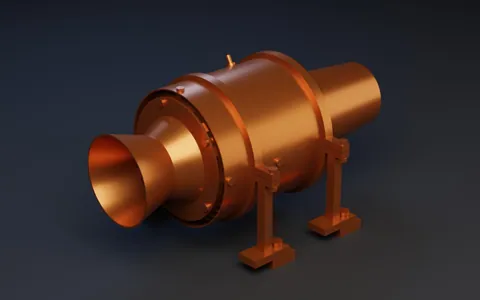
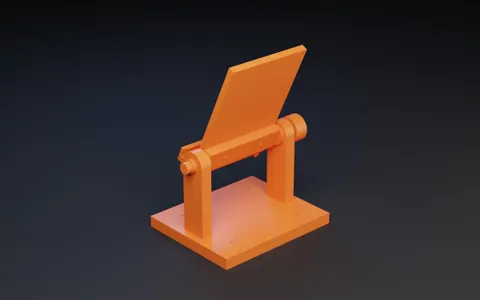
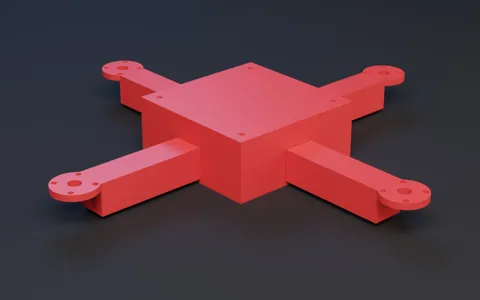
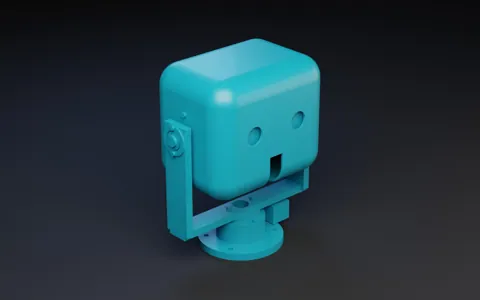
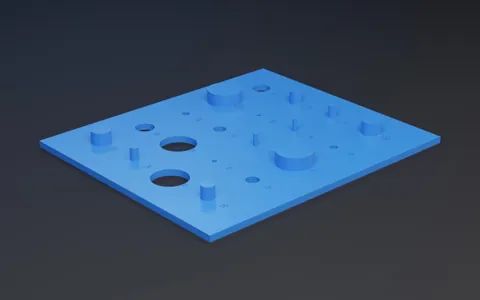

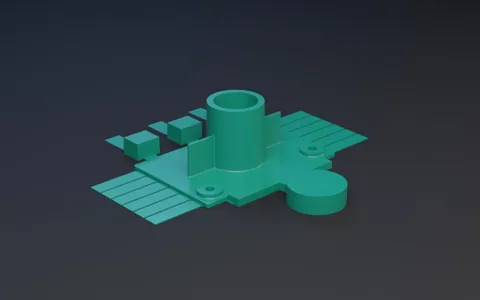
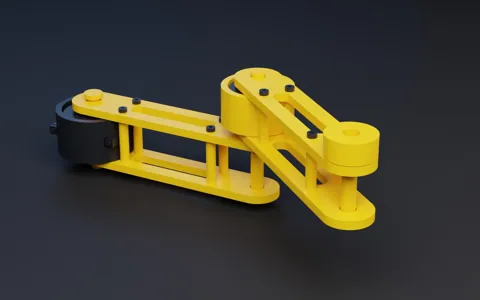
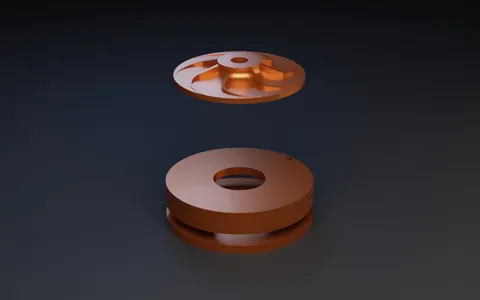
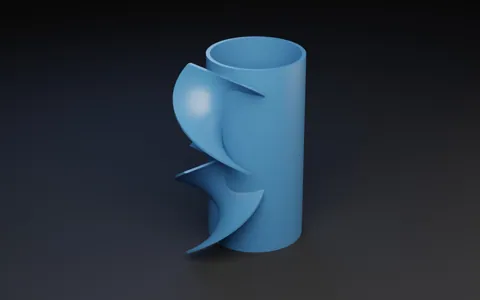
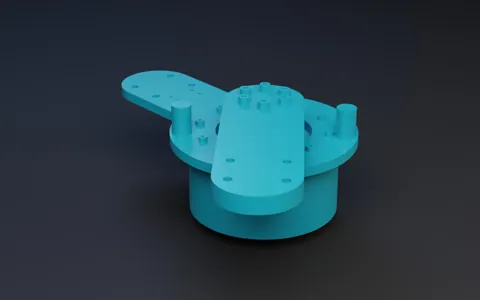
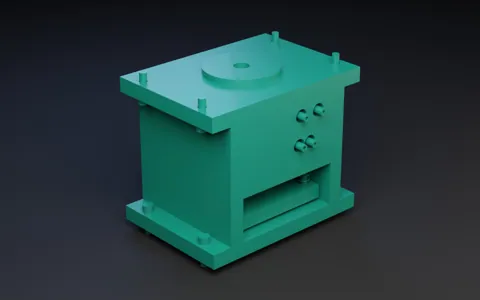
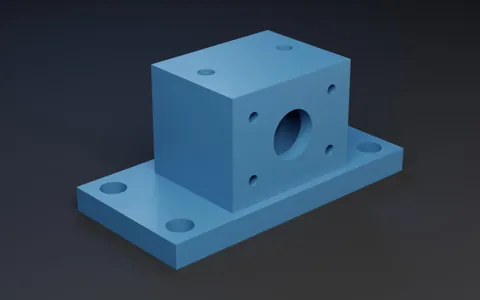
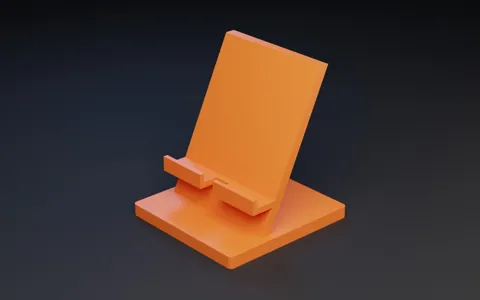
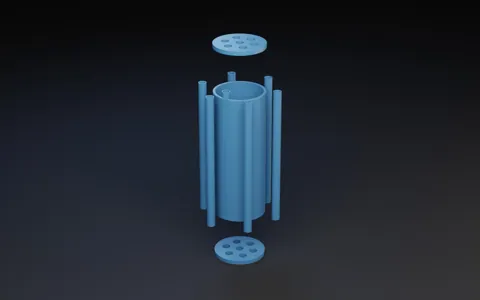
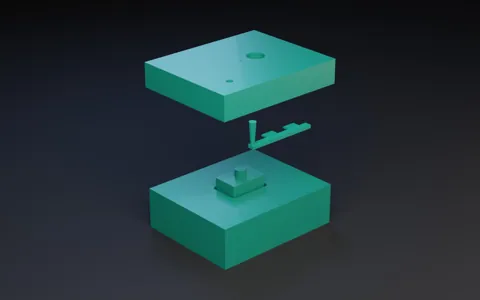
Explore
Real projects, open to look through.
Made in Patok Lab and published: the parts, the drawings, the programs and how they got there. Open one, then remix it.
How it works
Say it. Review it. Make it.
- 1You
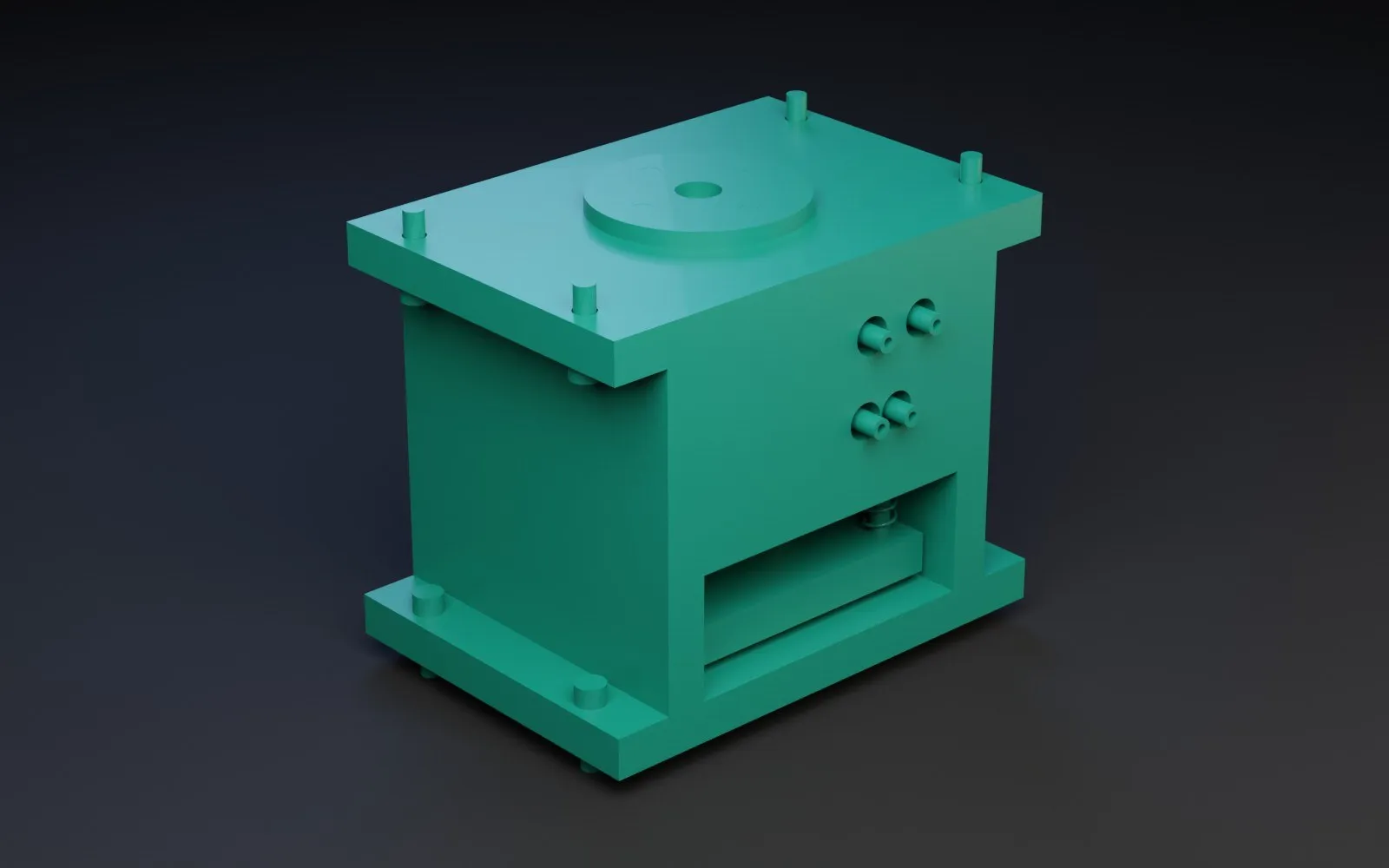
Make a case for a phone in flexible polyurethane cast at home, about 10 pieces. Then make the mold, inlet at the lowest point and vents at the highest, to print on my FDM printer.
Say it
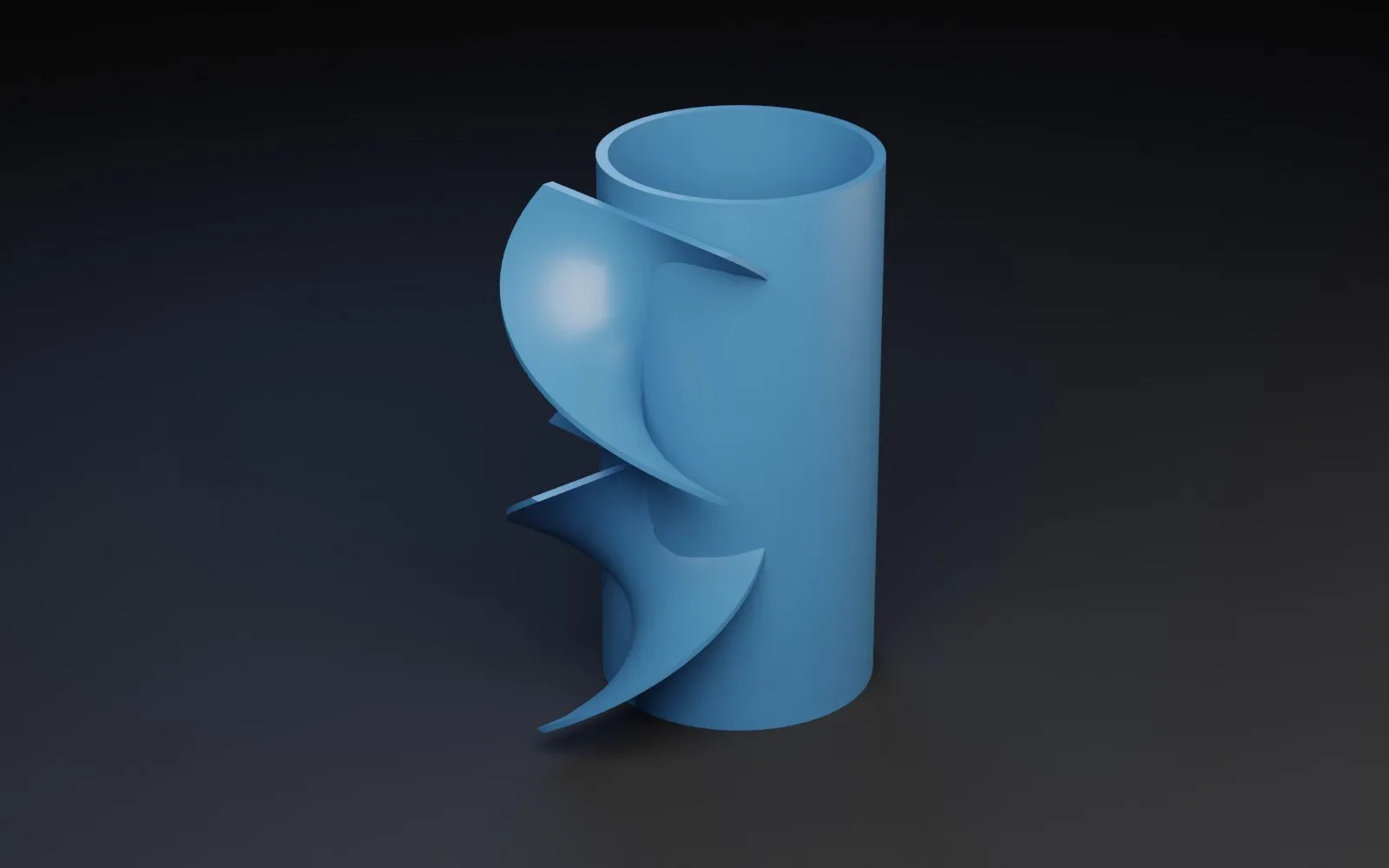
Type it, say it, or bring a sketch, photos or a drawing. The AI works with real tools, not only with words.
- 2
Review it
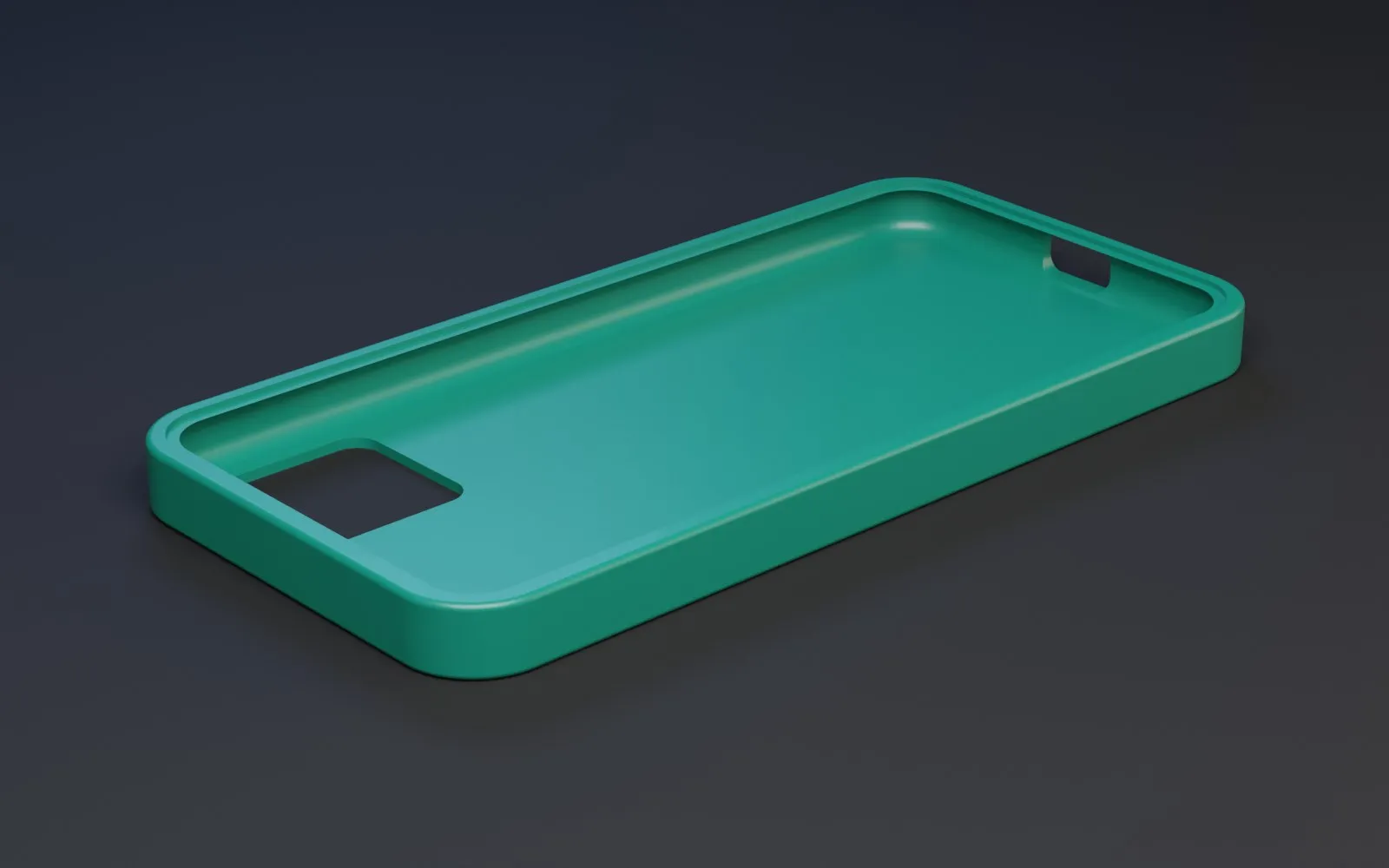
The part, its drawing and its checks stay in one project. Change a dimension, and every version stays.
- 3
Make it
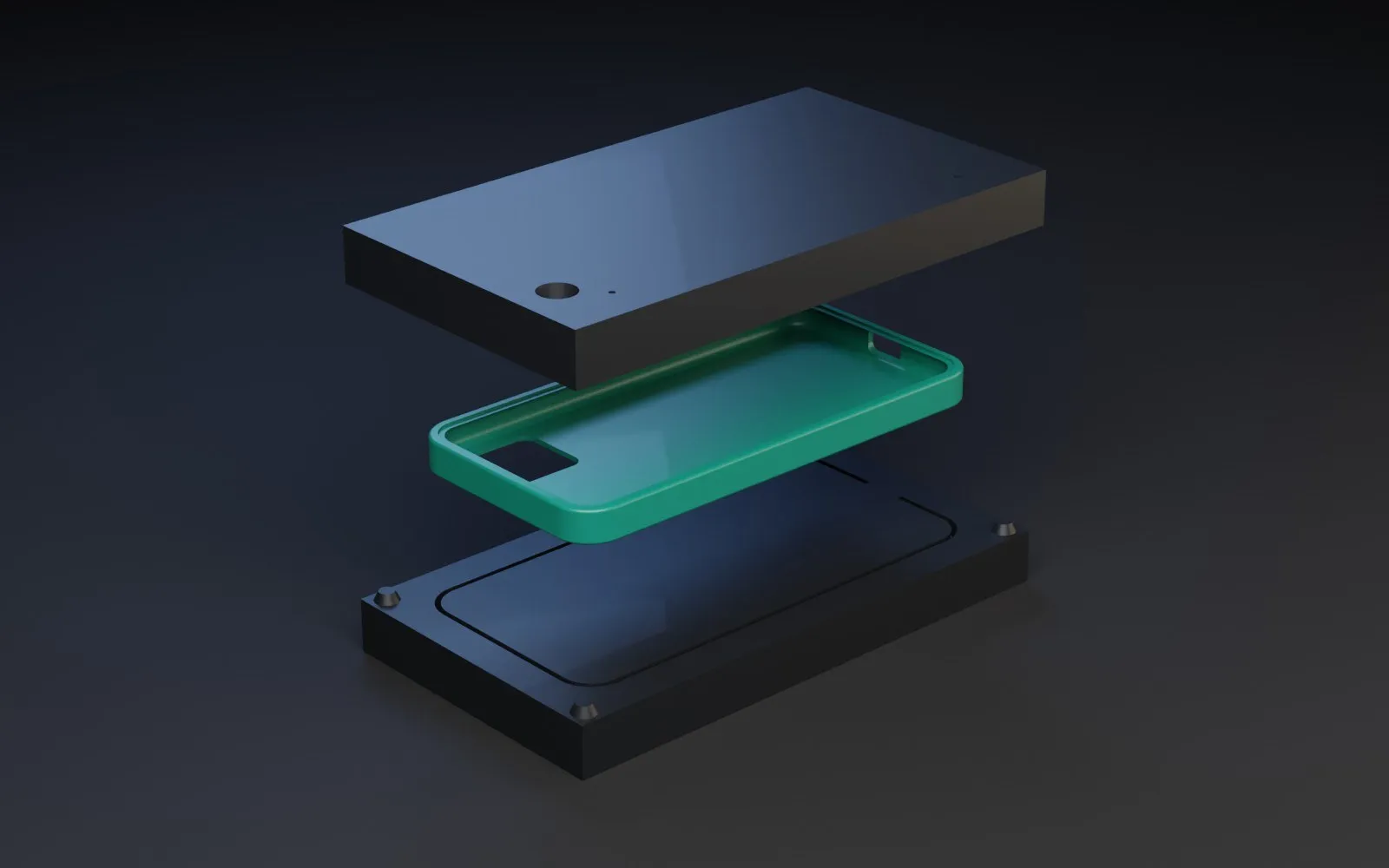
Lab chooses a route and prepares what that route needs: the print file, the mold, the CNC program or the robot path.
The proof
A route report tells you how to make it.
Process sheet, exact tool, acceptance criteria and shopping list, in one document. This one is real: 10 phone cases in flexible polyurethane, cast in a 3D-printed mold.
Process sheet
| Op | Station | Exact tool | What is checked |
|---|---|---|---|
| 10 | Printer | PETG 1.75 mm, 0.4 mm nozzle | No warp over 0.5 mm, vents open |
| 20 | Bench | Sandpaper P320→P600, epoxy sealer or high-build primer | Smooth cavity, no open pores |
| 40 | Bench | 50 ml dual-cartridge gun, 1:1 static mixer | Steady flow at the vents, no large bubbles; shot ±2 g |
| 50 | Bench | Light clamps | Not tacky; critical dimensions ±0.7 mm; fits without tearing |
| 60 | Finishing | Cutter, scissors, fine sandpaper | Flash under 0.3 mm; camera window and port clear |
Shopping list
- Dual-cartridge gun1
- Static mixer nozzles1 pack
- PETG filament 1.75 mm1 spool
- Castable polyurethane1 kit
Each line in the report carries its seller, its link and the day the price was seen.
It also says what it did not verify
Demolding force and tearing of the elastomer were not verified: only that the mold geometry passes and that the undercuts can come out by flexing. No G-code was generated, because the slicer was not installed on that computer.
Nothing here has been cast yet. The report is the plan; the first article decides.
Read the whole reportWhat you can do
One project, from the part to the process.
-
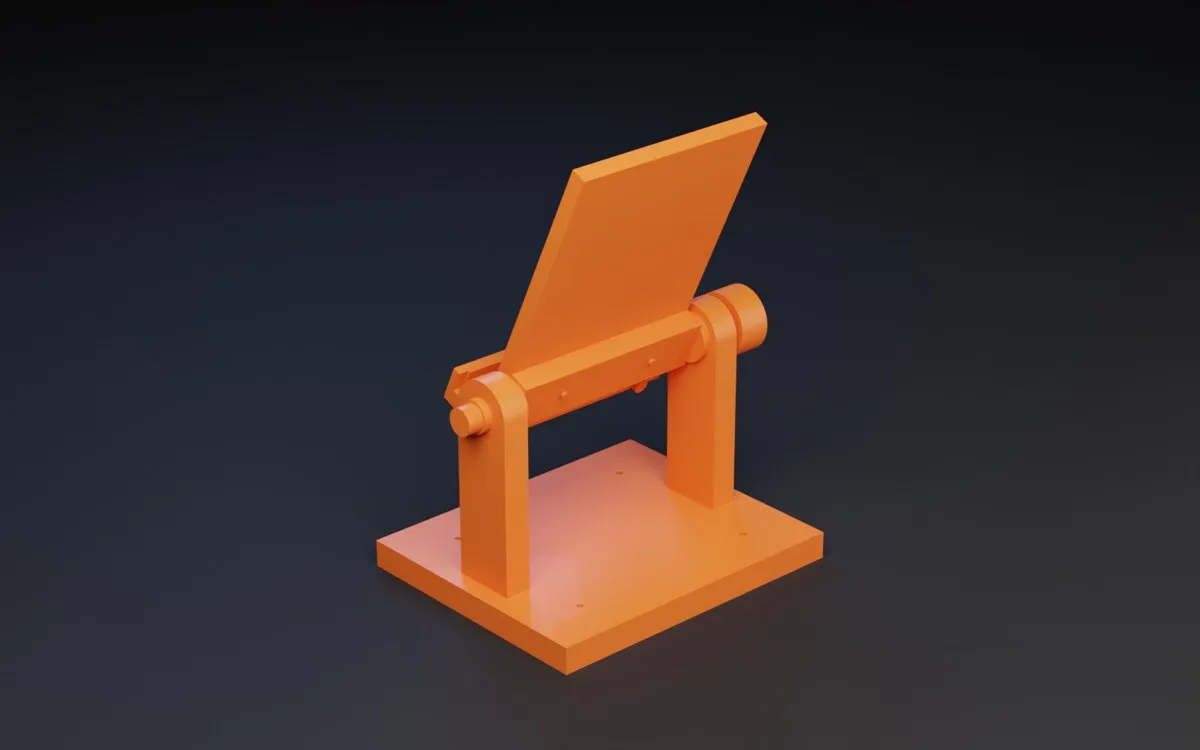 3D printing From the part to the file your printer reads.
-
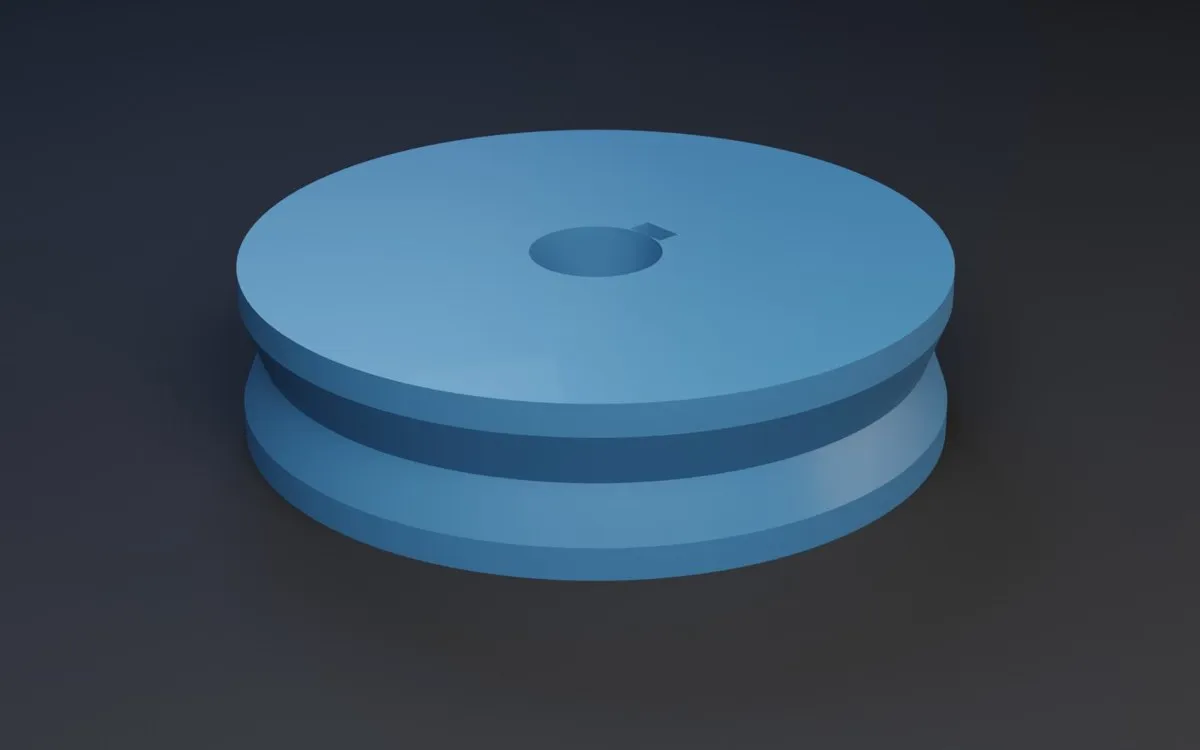 CNC machining Route, simulation, checks and G-code.
-
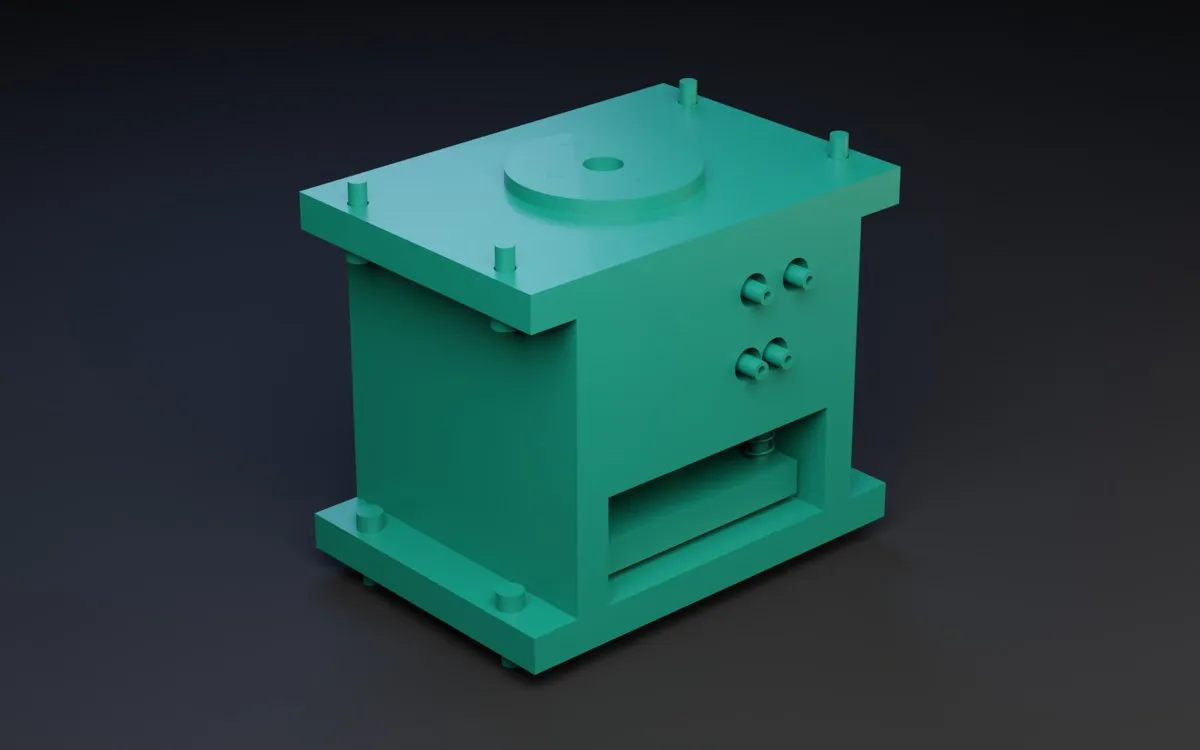 Molds and casting From moldability to the whole tool.
-
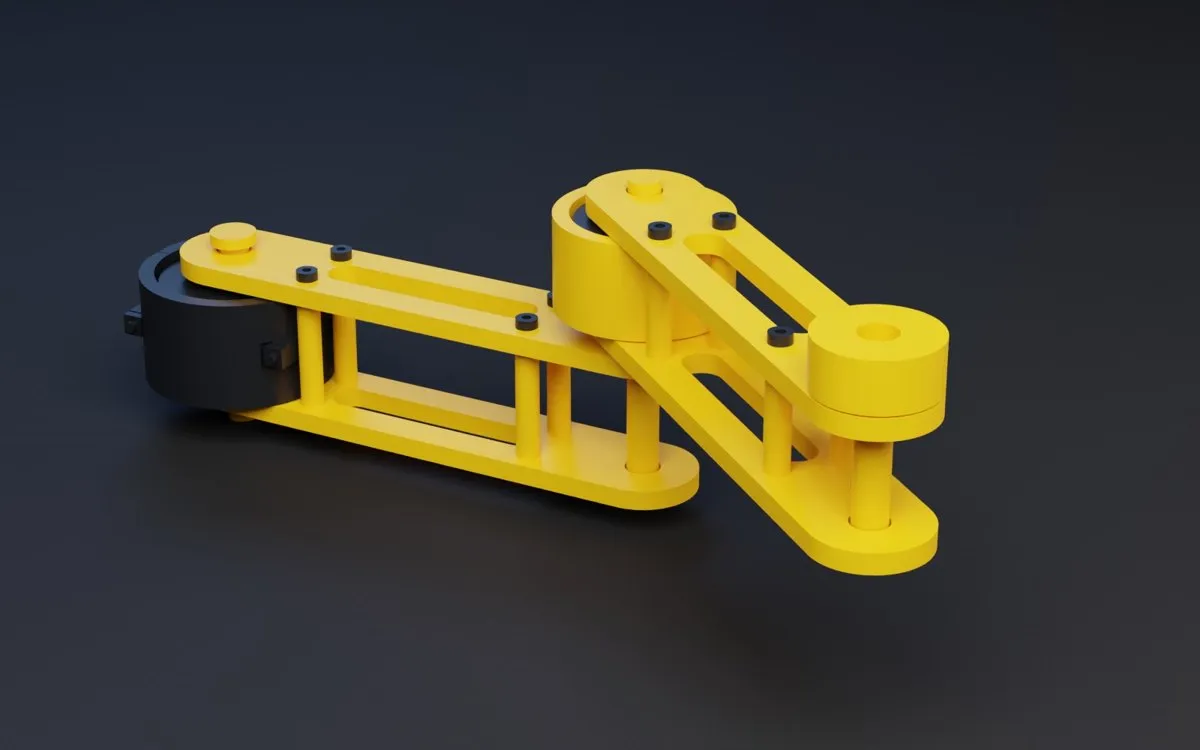 Robots Process paths and programs for your cell.
-
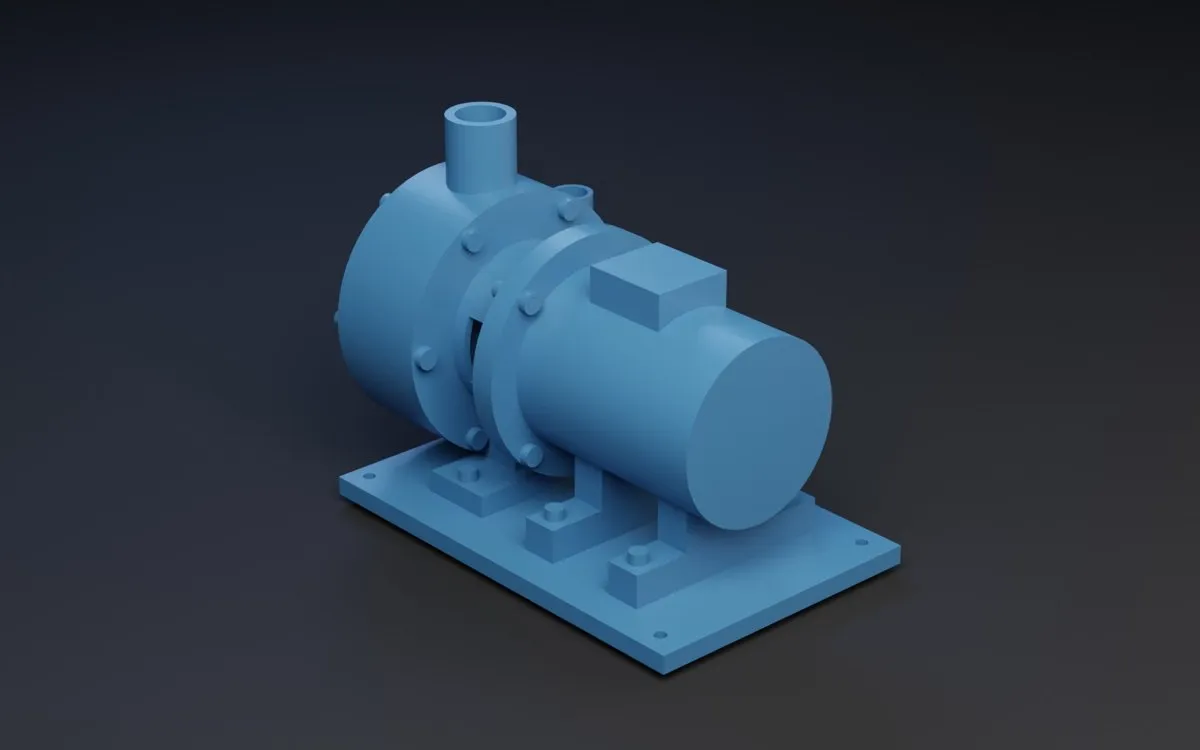 Simulation A line before it exists.
-
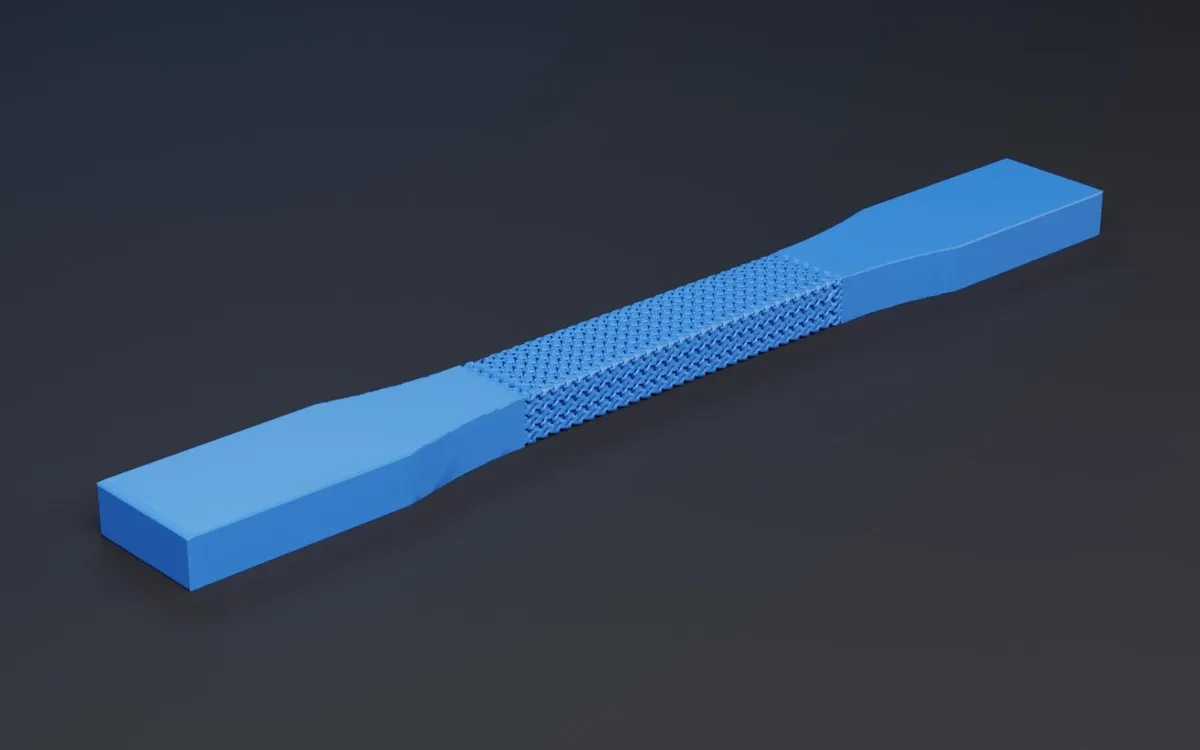 Experiments Design the runs and choose the next one.
-
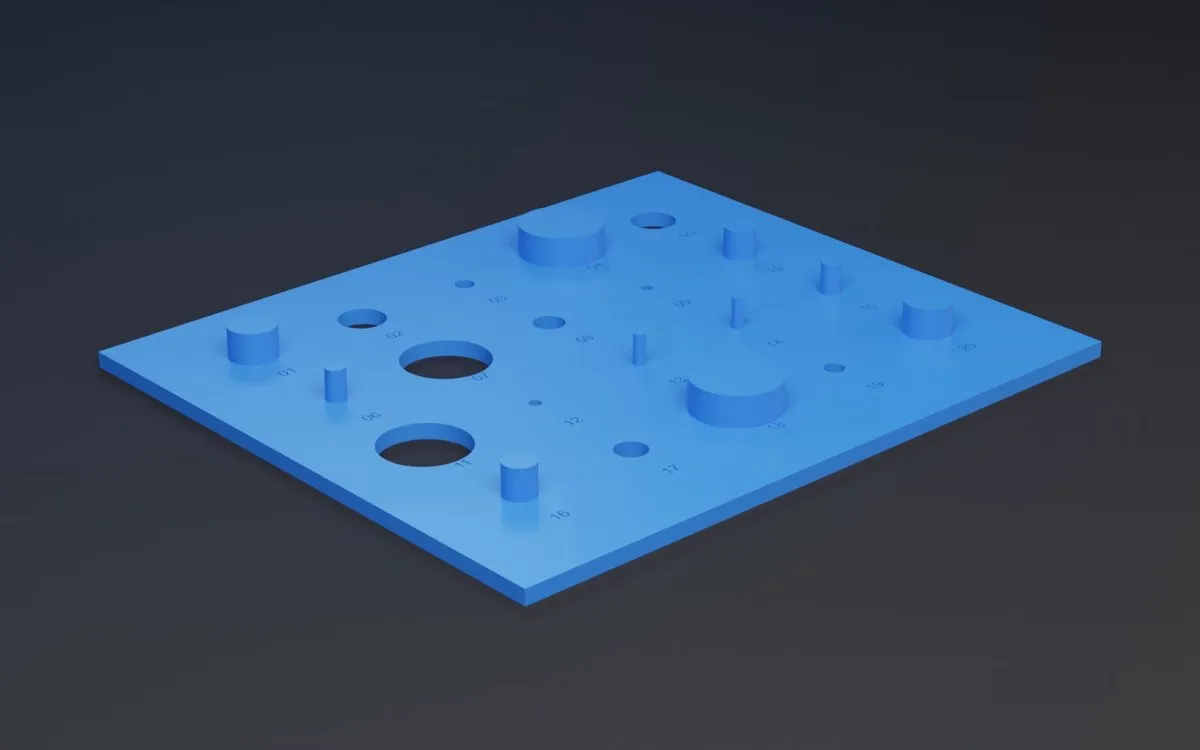 Metrology From a micrograph to a measurement.
-
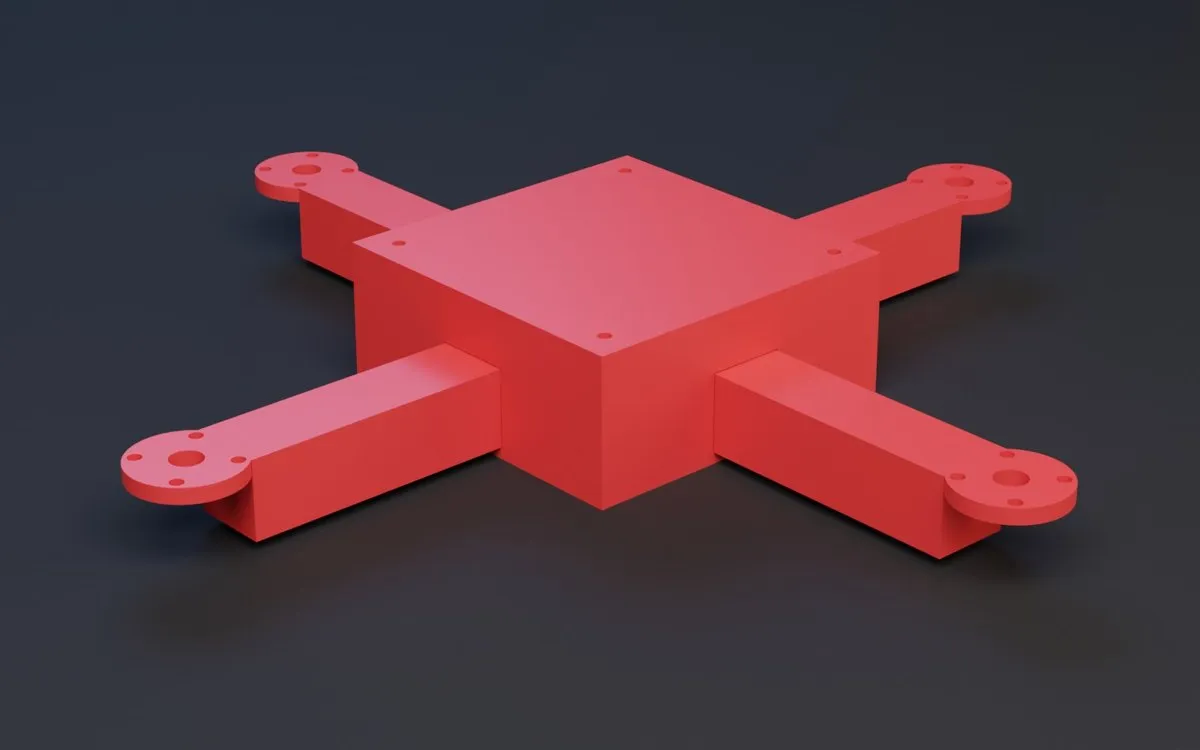 Explore Start from a public project.
Why trust it
It computes.It does not guess.
- The AI reasons, the engines execute
Geometry, statistics and machining engines do the work. Every number comes out of one of them.
- Checks before the machine
What passed, what failed and what was never checked stays on the record.
- Your work is yours
A project is a folder of plain files on your disk, readable without the app.
Your brain
Choose who thinks.
-
 Patok AIBuilt in, nothing to set up. It runs on credits.
- ChatGPTThe plan you already pay for. No credits.
- ClaudeConnect your own. No credits.
- A local modelOn your own computer and GPU. No credits.
Patok AI, ChatGPT and Claude think in the cloud; a local model does not. The workbench runs on your computer with any of them.
Free to design.Pay when it goes to the machine.
Community is free with no time limit: design, simulation, molds and 3D printing, with unlimited public projects and 2 private ones.
Programs for CNC machines and robots take a plan. And when you need people, we send you engineers with AI.

Who is behind it
Built by someone who has stood at every one of those benches.
Horacio Canales, PhD · Founder, Patok Research
His first job was in front of a CNC machine. Years programming in Mastercam, making motorcycle parts; then mechanical design for automation cells; then experimentation, which is where he stayed: a doctorate in engineering sciences in Ukraine, then a researcher at the Universitat de Barcelona on surrogate models and sequential experimentation for thermal-spray coatings — before industrial AI was a category. He worked on research with Airbus, Rolls-Royce and GE Aerospace. Today he builds Patok, AI software for industry, and studies engineering benchmarks for AI with Beihang University.
The feed this machine takes, the setups this part needs, the recipe that measures this coating — that much can be written down, and the workbench runs it. What can’t be written down is the judgment they hired you for, and it is worth more when it stops being buried under the rest.
Patok Lab is an attempt to put the tools within reach of that criterion — and to let the criterion an engineer or a scientist establishes stay written down, with its evidence, instead of leaving with the person who had it.
Trained at, worked with and recognized by









FAQ
Before you ask
Do I need to know CAD or code?
No. You describe the part and review what comes back. It helps to be able to read a drawing.
Does it replace SolidWorks or Mastercam?
No. Those are seats built for a person to draw and program in. Patok Lab is where the work gets done and kept, and it reads and writes STEP, STL, 3MF and DXF so a part can move between them.
Do I need an account?
Yes, one account for everything. The site is where you sign up, download, pay and see public work; your projects live on your computer. Companies that work without internet use a licence.
Can I keep my parts private?
Yes. Community gives you 2 private projects, and a plan or a licence gives you as many as you need. If a part cannot leave the building, use a local model.
Is the G-code safe to run?
Treat it like any program written offline. What is verified is the simulation, the checks and the G-code lint. It has not been run on your controller, so every program asks for a dry run at reduced feed.
When can I get it?
Patok Lab is in early access. Get access and we let people in by groups.
Bring your first part.
A sentence, a sketch, photos or a drawing. Tell us what you want to make.
Get access